
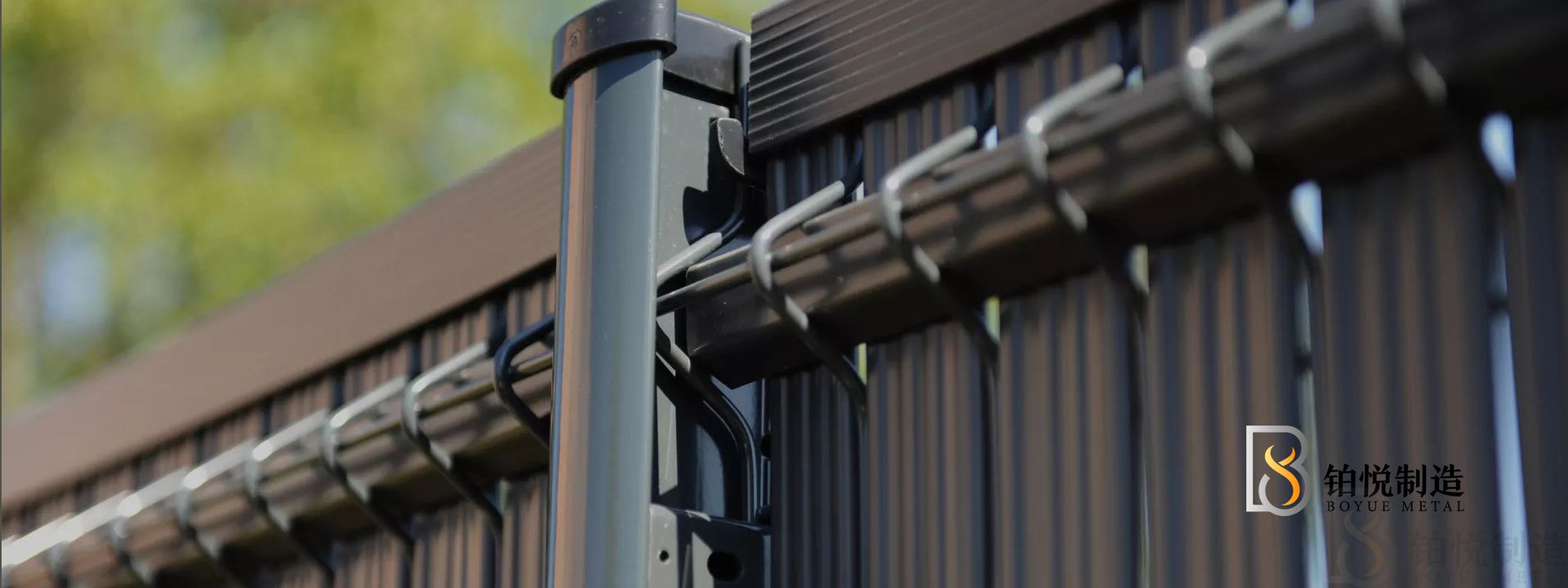
Difference between Hot-Dip Galvanizing and Cold Galvanizing
Hot-dip galvanizing and cold galvanizing are two common metal surface treatment processes. They differ significantly in principle, process, performance, and application. The main differences are as follows:
Process Principle
Hot-dip Galvanizing: This is a hot-dip galvanizing process. Metal workpieces, after pretreatment such as degreasing and pickling, are immersed in molten zinc at a high temperature (approximately 450℃-480℃). Zinc reacts with the metal surface, forming a zinc-iron alloy layer and a pure zinc layer, thus achieving galvanization.
Cold Galvanizing: Also known as electroplating, this utilizes the principle of electrolysis. At room temperature, the workpiece is used as the cathode, and a zinc plate as the anode, immersed in an electrolyte containing zinc salts. When electricity is applied, zinc ions are deposited on the workpiece surface to form a zinc layer.
Coating Thickness
Hot-dip Galvanizing: The coating is thicker, generally 30-60 micrometers or more, and can reach several hundred micrometers for some special requirements.
Cold Galvanizing: The coating is thinner, usually between 5-15 micrometers, and in some cases up to 30 micrometers.
Adhesion
Hot-dip galvanizing: The zinc layer bonds to the metal substrate through a zinc-iron alloy layer, resulting in strong adhesion, resistance to peeling, and the ability to withstand certain mechanical impacts and friction.
Cold galvanizing: The zinc layer adheres physically to the substrate, resulting in weaker bonding and susceptibility to peeling after impact, friction, or prolonged use.
Corrosion Resistance
Hot-dip galvanizing: Excellent corrosion resistance, suitable for long-term use in harsh outdoor environments such as humid and acidic/alkaline conditions, with a corrosion protection lifespan of up to decades.
Cold galvanizing: Relatively weak corrosion resistance, suitable for dry indoor environments; prone to rust and corrosion when exposed to outdoor conditions for extended periods.
Surface Appearance
Hot-dip galvanizing: The surface is silvery-white, slightly rough, and may contain zinc nodules, watermarks, etc., with a dull color.
Cold galvanizing: The surface is smooth and flat, with a bright color; colored or white passivation treatments can be applied for a more aesthetically pleasing appearance.
Production Cost
Hot-dip galvanizing: Complex process, requiring high-temperature equipment and large quantities of zinc, resulting in higher costs.
Cold galvanizing: Simple process, low equipment investment, and lower costs.
Application Areas
Hot-dip galvanizing: Widely used in building structures, power transmission towers, bridges, outdoor pipelines, automotive parts, and other applications requiring high corrosion resistance.
Cold galvanizing: Primarily used in interior decoration, electrical appliance housings, small fasteners, light industrial products, and other applications with lower corrosion resistance requirements.
In summary, hot-dip galvanizing is suitable for long-term outdoor use and applications requiring high corrosion resistance and adhesion; cold galvanizing is suitable for indoor use and applications where cost is sensitive and corrosion resistance requirements are lower. The specific choice depends on actual needs and environmental conditions.